
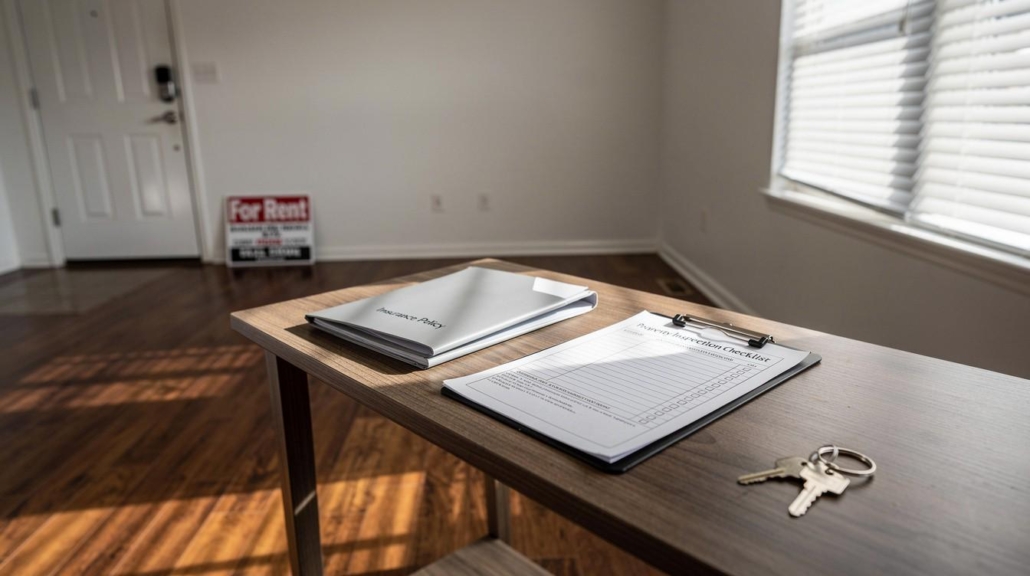
Vacant Rental Coverage WA: Keeping Your Investment Safe Between Tenants
Vacant rental properties in Washington face real financial risks that most landlords underestimate. Between tenants, your investment sits exposed to theft, vandalism, weather damage, and liability claims.
Vacant rental coverage WA protects your bottom line during these vulnerable transition periods. We at H&K Insurance Agency help landlords like you build policies that cover property damage, liability exposure, and lost rental income while units sit empty.
What Makes Empty Properties Such Easy Targets
Vacant properties in Washington attract trouble faster than occupied ones. Thieves target empty rental units because no one is there to stop them. According to the Insurance Information Institute, theft of fixtures and materials happens regularly during vacancy periods. Vandals work without interruption, and your property sits defenseless against their actions.
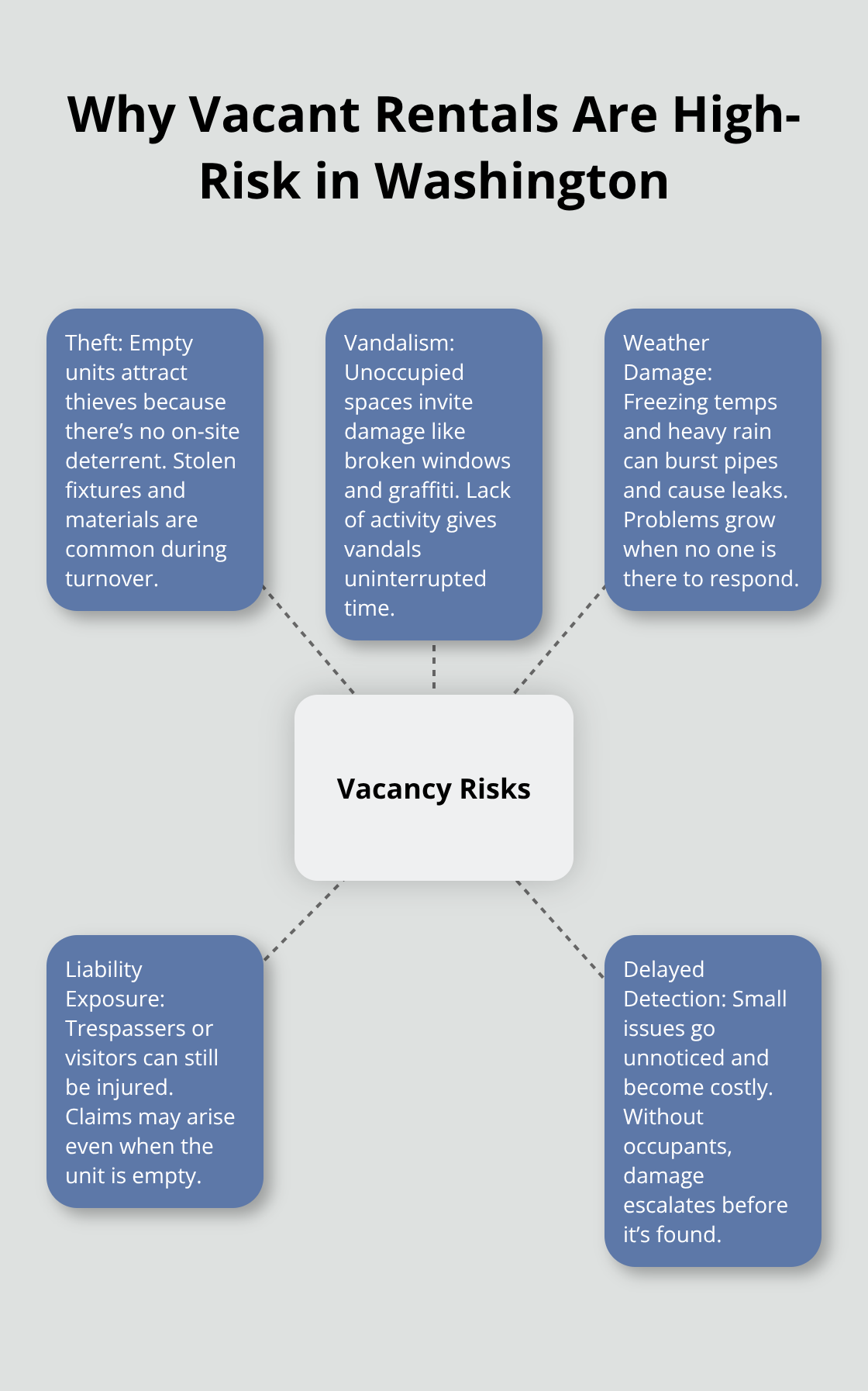
Weather damage compounds the problem because no one catches burst pipes, roof leaks, or water intrusion until serious damage has already occurred. In Washington’s climate, freezing temperatures and heavy rain create constant threats to unoccupied properties. The National Oceanic and Atmospheric Administration notes that winter conditions in the Pacific Northwest bring extended cold snaps and moisture, making properties without active heating and climate control vulnerable to pipe damage and mold growth. Small issues become expensive problems by the time you notice them.
Liability Never Takes a Vacation
Liability exposure during vacancy periods surprises most landlords because they assume an empty property means no one gets hurt. That assumption is wrong. Someone can still trespass, fall through a weakened floor, or suffer injury on your property even when it sits vacant. The National Association of Insurance Commissioners emphasizes that liability coverage remains critical during transition periods because your property still carries risk.
A squatter who injures themselves, a neighborhood child who enters through an unsecured door, or a contractor hurt while inspecting the space can all file claims against you. Standard landlord policies often exclude or limit liability during extended vacancy, which means you face personal financial exposure. Weekly property checks catch security problems like broken windows, loose railings, or unsafe conditions before someone gets hurt and sues. These inspections cost far less than defending a liability claim or paying damages out of pocket.
Why Your Standard Policy Falls Short
Most landlords discover too late that their standard coverage has gaps during vacancy. Insurers restrict or exclude liability protection when properties sit empty for extended periods. This leaves you exposed to significant financial risk (especially in Washington, where weather-related claims spike during winter months). Your landlord policy may cover occupied properties but abandon you the moment tenants move out.
Understanding these gaps matters before vacancy occurs. The time to address coverage limitations is before you need to file a claim, not after damage happens. This is where customized vacant rental coverage becomes essential to your investment strategy.
What Your Vacant Rental Coverage Actually Protects
Property Damage Protection During Vacancy
Vacant rental coverage in Washington fills the gaps that standard landlord policies leave wide open. The Insurance Information Institute confirms that typical vacant coverage protects against fire, theft, vandalism, wind, hail, and water damage while your property sits empty. However, the specific perils covered depend entirely on your policy wording, so you must verify exactly what your insurer includes before vacancy occurs.
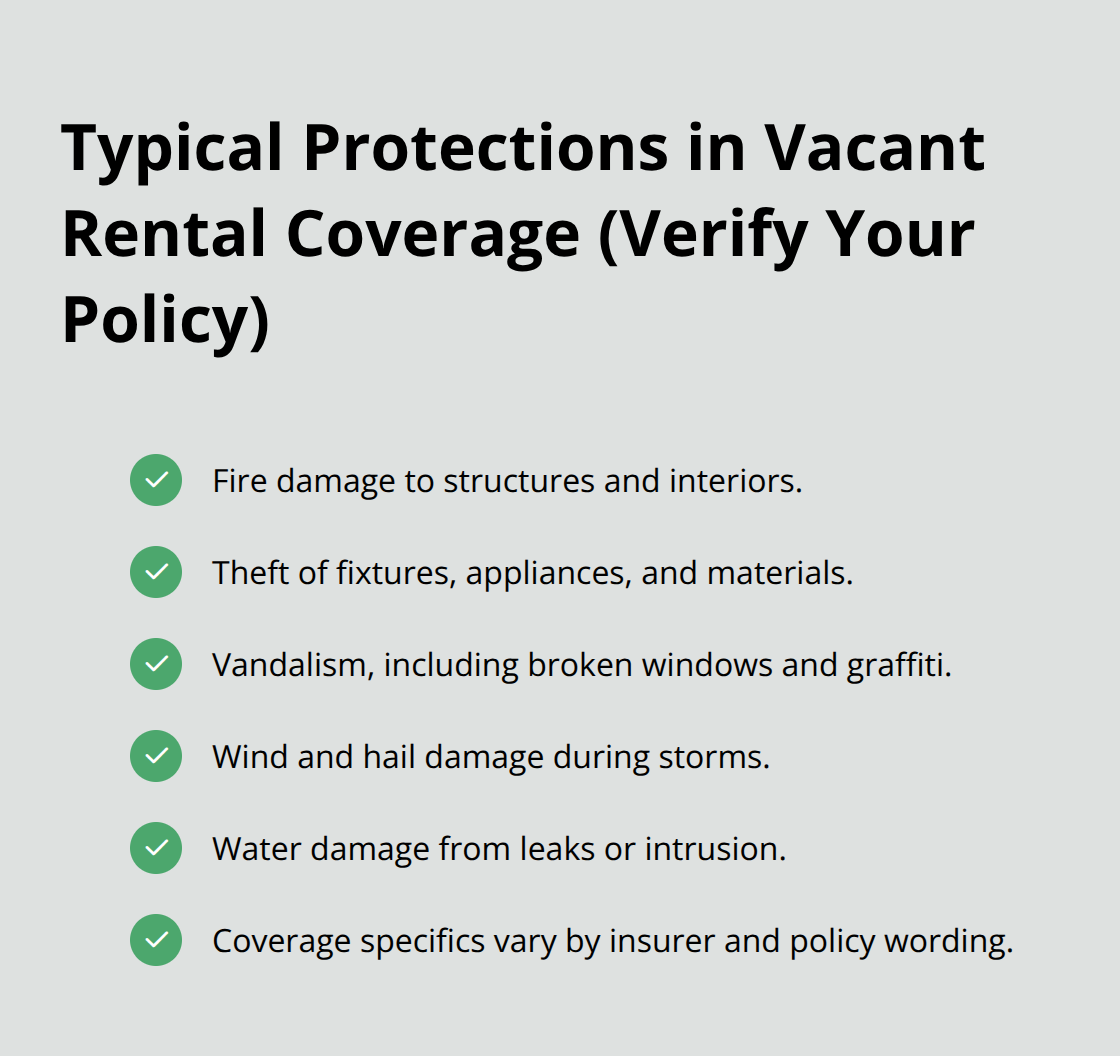
Many landlords assume their standard policy covers these risks during vacancy and discover otherwise when filing a claim.
Property damage protection matters most in Washington because weather-related claims spike during winter months when frozen pipes and water intrusion cause thousands in damages. The National Oceanic and Atmospheric Administration documents that Pacific Northwest winters bring extended cold snaps and heavy precipitation, making unoccupied properties especially vulnerable. If your property lacks active heating and climate control during vacancy, burst pipes can cause significant damage requiring prompt repair. Theft of fixtures, appliances, and materials happens regularly in vacant properties because thieves know no one is present to stop them. Vandalism follows closely behind theft, with broken windows, graffiti, and interior destruction becoming expensive problems between tenants.
Liability Coverage for Unoccupied Properties
Liability coverage during vacancy protects you from claims filed by people injured on your unoccupied property, which the National Association of Insurance Commissioners identifies as a critical exposure most landlords overlook. A trespasser who falls through a weakened floor, a neighborhood child who enters through an unsecured door, or a contractor inspecting the space can all file claims against you. Standard policies often exclude liability during extended vacancy periods, leaving you personally responsible for defense costs and damages.
Your property still carries risk even when no tenants occupy it. Someone can trespass, suffer injury, and hold you liable for their medical bills and legal fees. Weekly property checks catch security problems like broken windows, loose railings, or unsafe conditions before someone gets hurt and sues. These inspections cost far less than defending a liability claim or paying damages out of pocket.
Loss of Rental Income Coverage
Loss of rental income coverage reimburses you for lost rent when a covered peril renders the property uninhabitable, helping your bottom line during the vacancy period itself. This coverage typically has waiting periods before benefits activate and specific limits on how much rent the insurer will reimburse, so you must understand your policy’s deductible and maximum payout before vacancy occurs. Insurance waiting periods vary significantly by insurer, and some policies limit coverage to specific numbers of days, meaning a thirty-day vacancy might exceed your policy’s protection window.
Shopping for coverage requires comparing perils, sub-limits for vandalism, deductibles, and the maximum vacancy period against your typical turnover cycle. The right policy matches your specific investment strategy and Washington property risks. Your coverage choices directly affect both your protection level and your premium costs, making comparison shopping essential before you select a policy.
Securing Your Property During Turnover
Customize Your Coverage for Washington Vacancy Risks
Meet with an insurance agent to review your current policy and identify exactly where coverage gaps exist during vacancy periods. Most landlords discover their standard policies exclude or severely limit protection the moment a unit sits empty, but this gap can be filled with the right endorsement. The National Association of Insurance Commissioners notes that insurers often require periodic property checks or licensed property management to maintain vacancy coverage, so ask your agent about these requirements upfront.
Discuss your typical turnover timeline-if you usually experience twenty to thirty day vacancies, ensure your policy covers that period without gaps. Ask about sub-limits for specific perils like vandalism and theft, since some policies cap these claims at amounts far below actual losses. Verify whether loss of rental income coverage applies to your situation and understand the waiting period before benefits activate, as some policies wait seven to fourteen days before reimbursement begins.
Compare the premium increase against the protection gained, and ask about discounts for security upgrades like monitored alarms, exterior lighting, and secure locks, which the Insurance Information Institute confirms can reduce your rates. H&K Insurance Agency serves Puget Sound landlords with customized policies that address Washington’s specific climate and vacancy risks by representing multiple carriers to find the right fit for your investment strategy.
Prevent Weather Damage During Vacancy
Implement maintenance that prevents the weather damage most common in Washington winters. The National Oceanic and Atmospheric Administration documents that Pacific Northwest winters bring extended cold snaps and heavy precipitation, making properties without active heating vulnerable to burst pipes and water intrusion. Keep heat on at a minimum temperature around fifty-five degrees even while vacant, and shut off or isolate water lines where appropriate to prevent freezing damage.
Fix any roof leaks or gutter problems before vacancy starts, and ensure proper drainage around the foundation to prevent water intrusion. Document the property’s condition with time-stamped photos and a detailed inventory of major fixtures and appliances before vacancy starts, providing receipts to your insurer to support coverage accuracy.
Establish Inspection and Monitoring Routines
Schedule weekly or biweekly inspections and maintain a written log of findings, since regular checks deter vandalism and catch issues early-these records become critical evidence if you need to file a claim. Maintain landscaping and exterior upkeep to reduce pest risk and weather damage, and ensure all doors, windows, and locks remain secure and functional throughout the vacancy period.
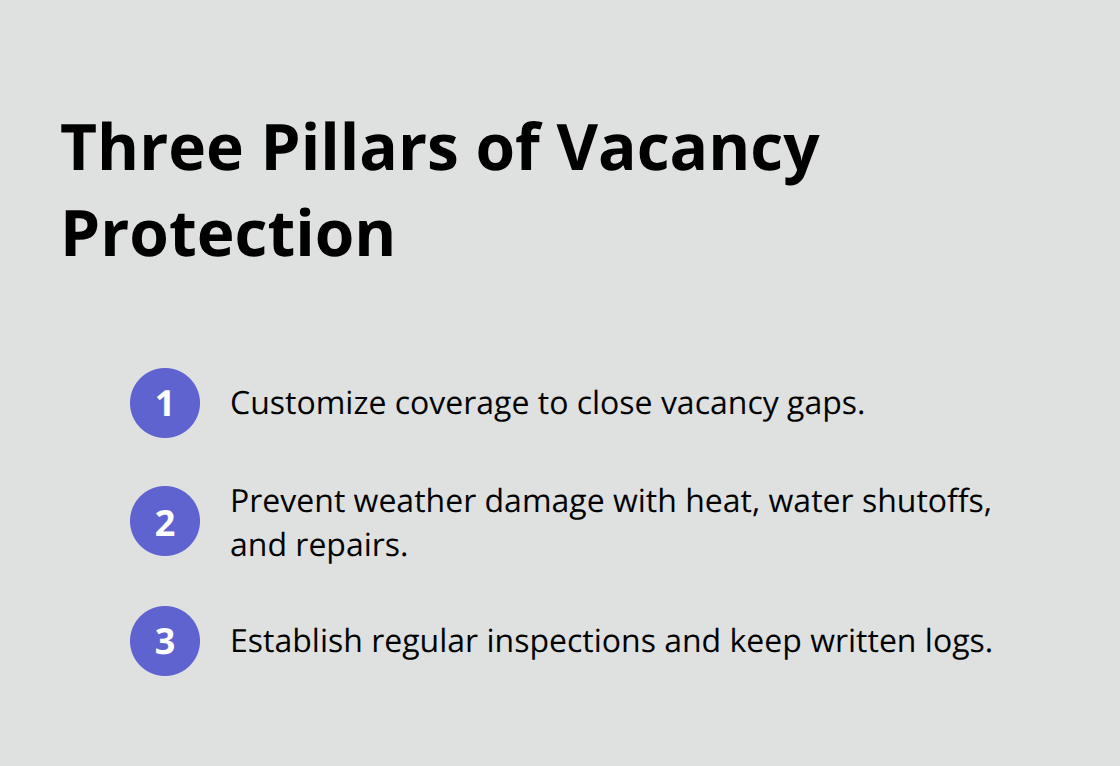
These three elements (customized coverage, preventative maintenance, and regular inspections) form the foundation of effective vacancy protection. Your actions during turnover directly strengthen your insurance position and reduce the financial exposure that catches most landlords unprepared.
Final Thoughts
Vacant rental coverage WA protects your investment during the periods when your property faces the greatest financial risk. Between tenants, your units sit exposed to theft, vandalism, weather damage, and liability claims that standard landlord policies often exclude or severely limit. The right coverage fills these gaps and keeps your bottom line intact when vacancy occurs.
Customized vacant rental coverage addresses the specific risks that Washington properties face, covering property damage from fire, theft, vandalism, wind, hail, and water damage while units sit empty. Loss of rental income protection reimburses you for lost rent when covered perils render the property uninhabitable, and liability coverage protects you from claims filed by people injured on your unoccupied property-a risk most landlords overlook until a claim arrives. Understanding your policy’s waiting periods, deductibles, sub-limits, and maximum vacancy periods matters before you need to file a claim.
Preventative maintenance and regular inspections work alongside your coverage to reduce risk and strengthen your insurance position. Weekly property checks catch security problems before vandals strike, winterization prevents burst pipes during Washington’s cold months, and documented condition reports with time-stamped photos support your claims when damage occurs. Contact H&K Insurance Agency to review your current policy and identify coverage gaps before your next vacancy occurs.
