
Understanding SR22 Car Insurance WA: What Drivers Need To Know
An SR-22 filing can feel overwhelming, especially if you’re dealing with the aftermath of a DUI or traffic violation in Washington. We at H&K Insurance Agency help drivers understand what SR22 car insurance WA actually means and how to move forward.
This guide walks you through the filing process, costs, and practical steps to rebuild your driving record and find better rates down the road.
What SR-22 Actually Is and Why Washington Requires It
An SR-22 is not insurance itself-it’s a certificate your insurer files with the Washington Department of Licensing to prove you carry the state’s minimum liability coverage. Think of it as proof of financial responsibility. Washington requires this certificate when you’ve triggered certain driving violations or incidents that signal higher risk.
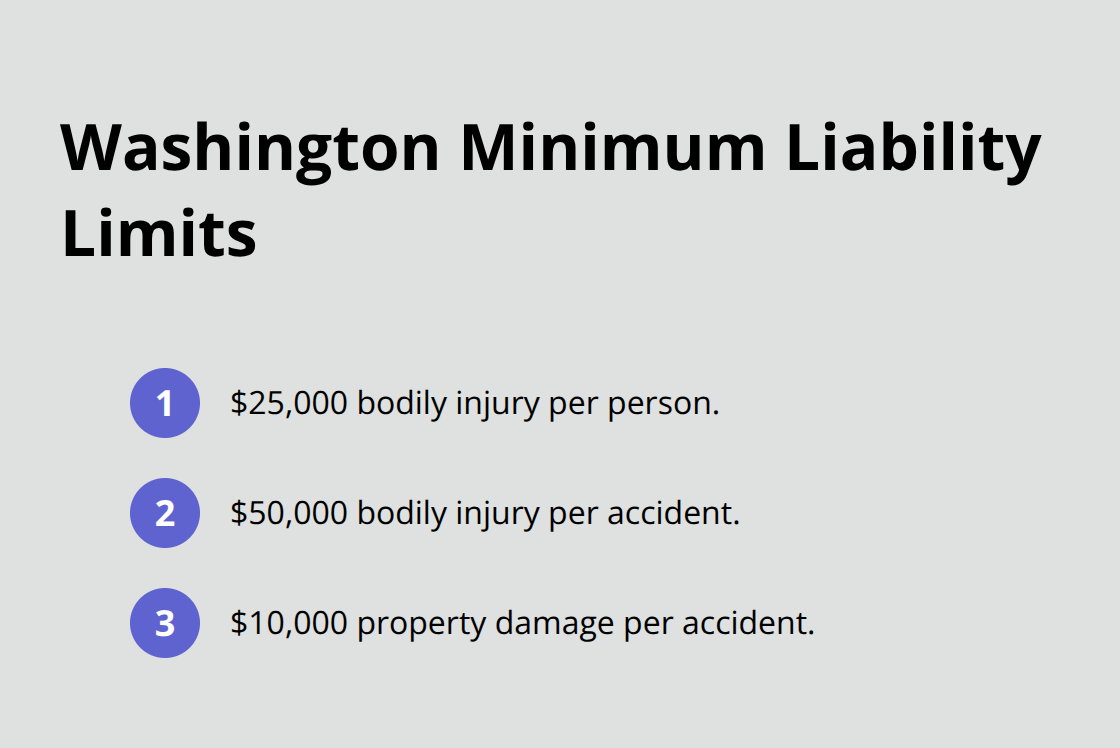
The state’s minimum liability limits are $25,000 per person and $50,000 per accident for bodily injury, plus $10,000 for property damage per accident. You’ll need SR-22 for driving without insurance, DUI convictions, reckless driving, driving with a suspended license, hit-and-run incidents, or failing to pay court judgments. The filing fee itself is modest-typically $15 to $30-but the real cost comes from higher insurance premiums. Drivers with a DUI in Washington face average rate increases around $1,978 per year, while a hit-and-run incident pushes costs to roughly $2,120 annually.
The Three-Year Commitment You Must Honor
Washington requires you to maintain SR-22 coverage for three consecutive years from your eligibility date. This isn’t negotiable, and lapses carry serious consequences. If your policy lapses even briefly, your insurer must report it to the Department of Licensing, which automatically suspends your driving privileges again. You’ll need to restart the entire three-year period. Many drivers miss renewal deadlines or assume they can drop coverage early-both mistakes that extend your timeline. Renew your policy roughly 45 days before expiration to avoid any gaps. If you move out of Washington before completing three years, you still must prove SR-22 compliance and may need an out-of-state filing. The three-year window is your path back to standard insurance rates, so protecting that timeline matters.
Finding Affordable SR-22 Coverage
State Farm offers SR-22 coverage around $550 annually, Progressive near $566, and USAA around $694, making these realistic entry points for getting compliant without breaking your budget. If you don’t own a vehicle, nonowner SR-22 options run cheaper-Progressive about $452 per year, State Farm about $459, and USAA about $506. Shopping around across multiple insurers reveals significant rate differences (sometimes hundreds of dollars annually). Your insurer files the SR-22 certificate with the Department of Licensing after you purchase coverage, and you’ll receive confirmation letters from both the DMV and your insurance company. The filing process typically takes 7 to 10 business days after the DOL receives your documents, though incomplete information can delay approval. Contact the Washington Department of Licensing at 360-902-3900 if you haven’t received an update within 30 days.
What Happens Next in Your SR-22 Journey
Once your SR-22 is filed and active, your focus shifts to maintaining continuous coverage without lapses and building a cleaner driving record. The state tracks your compliance throughout the three-year period, and any lapse triggers automatic license suspension. Your insurer notifies the DOL if you cancel or fail to renew, so staying on top of payment deadlines is essential. During this time, you’ll also want to explore ways to lower your premiums-bundling auto with renters or homeowners coverage, completing a defensive driving course, or raising your deductible can all reduce costs. These steps position you to move beyond SR-22 requirements and access better rates once your three-year obligation ends.
How SR-22 Filing Works in Washington
Your insurer handles the SR-22 filing with the Washington Department of Licensing, but understanding the timeline and your role matters. After you purchase SR-22 coverage, your insurance company submits the certificate through the DOL’s online portal or by fax to 360-570-7825. The filing processes within 7 to 10 business days once the DOL receives complete documentation, though missing information can add weeks to approval. You’ll receive confirmation letters from both the Department of Licensing and your insurer once the SR-22 is active. If 30 days pass without an update, contact the Washington Department of Licensing directly at 360-902-3900 to check status.
What the SR-22 Filing Actually Costs
The filing fee itself runs $15 to $30, but this is minor compared to the premium increases. According to MoneyGeek data, drivers with a DUI pay roughly $1,978 more annually, reckless driving adds about $1,940 yearly, and a hit-and-run incident costs around $2,120 extra per year. These figures underscore why shopping aggressively across multiple insurers matters so much. State Farm quotes around $550 annually for SR-22 coverage, Progressive near $566, and USAA approximately $694, giving you realistic benchmarks to compare against other carriers’ offers.
Your First 30 Days: Critical Actions
The first 30 days after a violation or DUI are critical. Obtain quotes from at least three insurers before committing to any policy, since premium differences often exceed several hundred dollars annually. If you don’t own a vehicle but need SR-22 coverage for driving rental cars or borrowing someone else’s vehicle, nonowner policies cost significantly less-Progressive at roughly $452 yearly and State Farm near $459. Once you’ve selected coverage, verify your limits meet Washington’s minimum car insurance requirements of $25,000 per person and $50,000 per accident for bodily injury, plus $10,000 for property damage.
Protecting Your Three-Year Timeline
Set a calendar reminder for 45 days before your policy renewal date to avoid lapses that trigger automatic license suspension and restart your three-year clock. Consider bundling your auto policy with renters or homeowners coverage to reduce overall costs, and ask about defensive driving course discounts, which many insurers offer for SR-22 eligible policies. Some drivers raise their deductible from $500 to $1,000 to lower monthly premiums, a practical trade-off if you maintain an emergency fund. If standard insurers decline you, the Washington Automobile Assigned Risk Plan provides coverage, though premiums run higher.
Finding Your Best Rate in the Puget Sound Region
H&K Insurance Agency serves the Puget Sound region and represents multiple top local and national carriers, which means we compare rates across multiple insurers to find your best option while handling all filing details on your behalf. This approach helps you avoid overpaying for SR-22 coverage and ensures your policy meets all state requirements from day one. The next step involves understanding what happens after your SR-22 is filed and how to position yourself for lower rates once your three-year obligation ends.
Moving Beyond SR-22: What Actually Works to Lower Your Rates
Your three-year SR-22 commitment ends, but your insurance premiums won’t automatically drop back to pre-violation levels. The state no longer monitors your compliance, yet insurers still view you as higher risk during the years immediately following your filing period. This is where intentional action separates drivers who reclaim affordable coverage from those stuck paying inflated rates indefinitely. The most effective approach involves documenting a clean driving record throughout your SR-22 period and then systematically shopping for better rates once you’re eligible. Defensive driving courses matter more than most drivers realize-completing an approved course during your SR-22 term qualifies you for discounts with many carriers, and you should request this discount explicitly when your SR-22 expires. Drivers who complete defensive driving courses can reduce premiums by 5 to 10 percent, which translates to meaningful savings on your annual policy. Your goal during these three years isn’t just compliance; it’s building concrete evidence that you’re a safer driver.
Document Your Clean Record
You should track every year without violations, every on-time payment, and every completed safety course. When your SR-22 obligation ends, contact insurers directly with this record and request quotes that reflect your improved status. Don’t assume your current insurer will automatically lower your rate-they often won’t without prompting, and competitors frequently offer significantly better pricing for drivers who’ve completed their SR-22 period without additional violations.
Shop Aggressively When Your Three Years End
Shopping around becomes essential the month your three-year period ends. Contact at least five insurers and explicitly mention that your SR-22 requirement has been satisfied and you’ve maintained a clean record since the filing. Bundling your auto policy with renters, homeowners, or boat coverage amplifies your negotiating power-bundled customers typically receive discounts of 15 to 25 percent, according to major carriers. If you’ve raised your deductible during your SR-22 period to reduce monthly costs, now is the time to evaluate whether lowering it makes sense as your risk profile improves in insurers’ eyes. Some drivers who spent three years at a $1,000 deductible find that dropping to $500 costs less than they expect once the SR-22 discount penalty lifts. Ask each insurer about low-mileage discounts if you work from home or use rideshare services, good credit discounts if your credit score has improved, and loyalty discounts if you’ve maintained any other policies with them.
Avoid Restarting Your Clock
One violation during your three-year SR-22 period restarts the entire clock, but even after your requirement ends, maintaining a clean record prevents future SR-22 filings altogether. Traffic violations, minor accidents, or additional suspensions within five years of your original filing can trigger another SR-22 requirement with even higher premiums than before. This reality should inform your driving decisions throughout and beyond your SR-22 period. If you received a DUI that led to your SR-22, alcohol-related driving incidents carry the harshest insurance penalties-a second DUI can double your premiums again and lock you into high-risk pools for years. The Washington Department of Licensing tracks your compliance history, and insurers access this record when you apply for new coverage. A completely clean record for 36 months followed by another 24 months without violations positions you for standard rates with most carriers. Some drivers make the mistake of assuming they can relax after their SR-22 ends, but insurers maintain internal records of your violation history for seven to ten years (meaning your driving decisions today affect your rates for years to come). Your best outcome comes from treating your SR-22 period as a genuine reset-drive defensively, follow speed limits, maintain your vehicle, and prioritize safety over convenience for at least the full three years.
Final Thoughts
SR-22 car insurance WA is temporary, not permanent, and your path forward depends entirely on the decisions you make during your three-year obligation. Your immediate next step involves obtaining quotes from multiple insurers-State Farm, Progressive, and USAA consistently offer competitive rates, but your specific situation may yield different results. Set a calendar reminder for 45 days before renewal to prevent lapses that restart your three-year clock.
During your SR-22 period, take concrete steps to lower your premiums by completing a defensive driving course, bundling your auto policy with renters or homeowners coverage, and considering a higher deductible if you maintain emergency savings. When your three years conclude, shop aggressively again-your clean record and satisfied SR-22 obligation give you leverage to negotiate significantly better rates than you’re paying today. These actions reduce costs now and create documented evidence of responsible driving that insurers reward once your requirement ends.
We at H&K Insurance Agency serve the Puget Sound region and work with multiple top carriers to compare rates across insurers and find your best SR-22 option while handling all filing details on your behalf. Contact us to discuss your situation and receive competitive quotes that fit your budget and timeline.
